
If you love vibrant, zesty flavors that instantly elevate any meal, then this Homemade Chimichurri Sauce Recipe is your new best friend in the kitchen. Bursting with fresh herbs, garlic, and a perfect balance of acidity and spice, chimichurri is a classic Argentine sauce that transforms simple grilled meats, roasted vegetables, or even crusty bread into a flavor explosion. Once you master this sauce, you’ll find countless ways to enjoy it, making it a versatile staple that’s both easy and incredibly rewarding to whip up.
Ingredients You’ll Need
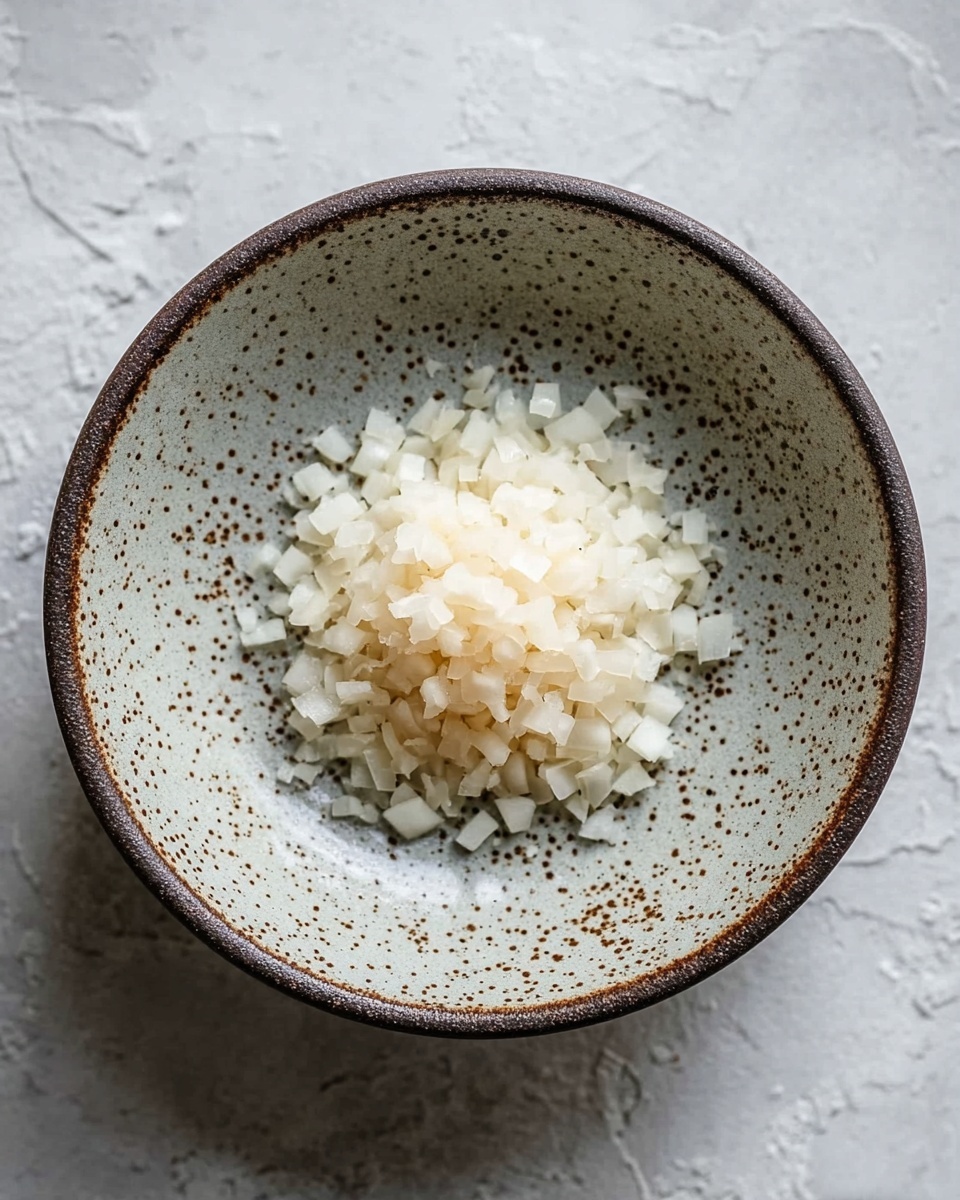
Chimichurri keeps it simple, letting the quality of your ingredients shine. Each component contributes essential flavor, texture, or brightness that makes this sauce truly unforgettable.
- 1 cup fresh flat-leaf parsley: The green herbaceous base that gives chimichurri its vibrant color and fresh taste.
- ¼ cup fresh cilantro (optional): Adds an extra layer of depth and zest, perfect if you want a slightly more complex flavor profile.
- 4–5 garlic cloves, finely minced: Garlic brings that unmistakable savory punch essential to the sauce’s character.
- 1 small shallot, minced (optional but recommended): Offers subtle sweetness and texture that rounds out the sharpness of garlic and vinegar.
- 1–2 tsp red pepper flakes (adjust to taste): Delivers a gentle kick of heat—adjust according to your spice tolerance.
- ½ tsp salt (more to taste): Enhances all the flavors and balances the acidity.
- ½ tsp freshly ground black pepper: Adds a bit of warmth and complexity without dominating the sauce.
- ⅓ cup red wine vinegar: The zesty acid that brings brightness and cuts through richness.
- ½ cup good-quality olive oil: Gives the sauce its luscious body and helps meld all ingredients together.
- Optional additions: 1 tbsp fresh oregano or 1 tsp dried for a herbal twist, plus 1 tbsp lemon juice for an extra burst of brightness.
How to Make Homemade Chimichurri Sauce Recipe
Step 1: Prep and Chop Your Fresh Herbs
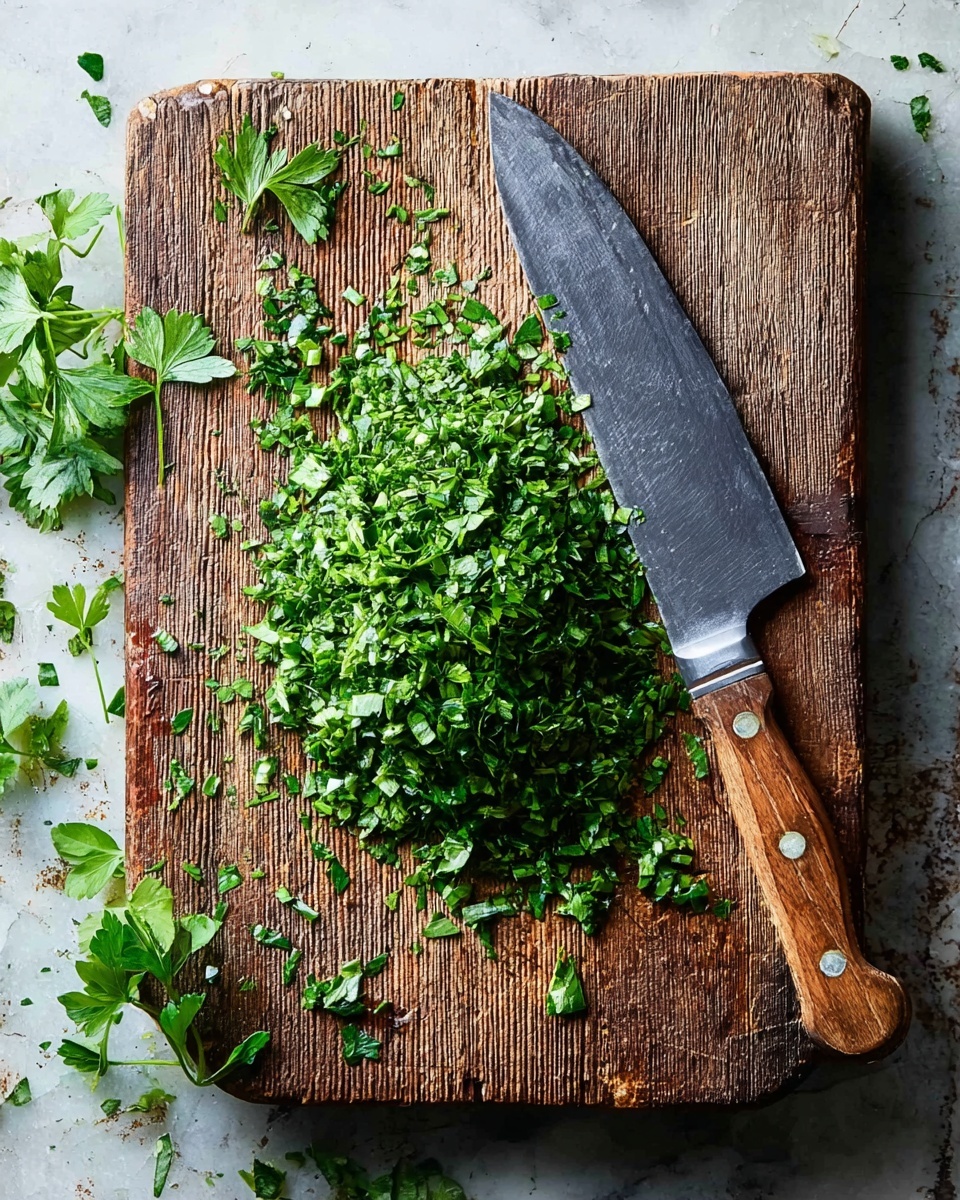
Begin by finely chopping the parsley and, if using, cilantro and oregano. The key here is to create small, delicate pieces that meld smoothly into the sauce without overwhelming the texture. Fresh herbs are the soul of chimichurri, so take your time with this step for the best flavor results.
Step 2: Mince Garlic and Shallot
Next, finely mince the garlic cloves and shallot. These aromatics provide depth and a punch of flavor that complements the fresh herbs beautifully. Minced finely means every spoonful of sauce is full of bold, evenly distributed flavor.
Step 3: Combine Dry Ingredients and Spices
In a mixing bowl, add the minced garlic and shallot, chopped herbs, red pepper flakes, salt, and freshly ground black pepper. Stir them gently to distribute the spices evenly throughout the mixture, creating a balanced foundation for the liquid ingredients.
Step 4: Stir in Red Wine Vinegar
Pour the red wine vinegar into the herb and spice mixture. The vinegar’s tang will start to marry with the fresh herbs and aromatics, elevating the brightness of the sauce and awakening all the flavors.
Step 5: Slowly Add Olive Oil and Optional Lemon Juice
Now slowly whisk in the olive oil while stirring the mixture. The oil binds the herbs and vinegar into a luscious emulsion, providing a silky texture and richness. If you love an extra zing, add lemon juice here for a fresh citrus note.
Step 6: Adjust Seasoning and Let It Rest
Taste your chimichurri and adjust salt and red pepper flakes to your liking. For the best flavor development, let your sauce rest at room temperature for at least 20 minutes before serving. This resting time allows all the components to marry beautifully.
How to Serve Homemade Chimichurri Sauce Recipe
Garnishes
Sprinkle freshly chopped parsley or a few red pepper flakes on top before serving for a colorful, inviting presentation. These simple garnishes echo the sauce’s vibrant ingredients and make your dish look as good as it tastes.
Side Dishes
Chimichurri shines alongside grilled steak, chicken, or fish. It’s also fantastic drizzled over roasted vegetables, mixed into grain bowls, or spread on crusty bread. The bright, herbal notes cut through rich meats and cozy roasted flavors beautifully.
Creative Ways to Present
Try serving your chimichurri as a dipping sauce for crispy empanadas or use it as a flavorful marinade before grilling. For a fresh twist, mix it with creamy avocado or dollop it over scrambled eggs to start your day with a punch of flavor.
Make Ahead and Storage
Storing Leftovers
You can store leftover chimichurri sauce in an airtight container in the refrigerator for up to 5 days. Because it relies on fresh herbs and vinegar, the flavors may continue to intensify, so give it a stir or two before using again.
Freezing
While chimichurri is best fresh, you can freeze it in ice cube trays for up to 2 months. Once frozen, pop out the cubes and store them in a freezer bag for easy portioning to add quick flavor to future meals.
Reheating
Chimichurri is traditionally served cold or at room temperature, so it does not require reheating. Simply bring it out of the fridge ahead of time to let those fresh flavors shine again before using.
FAQs
Can I make chimichurri without cilantro?
Absolutely! Cilantro is optional and many traditional recipes omit it entirely. The parsley and oregano provide plenty of flavor on their own.
How spicy is chimichurri typically?
The heat depends on how much red pepper flakes you add. Start with less if you prefer mild and add more to taste—it’s easily adjustable.
Can I use dried herbs instead of fresh?
Fresh herbs are preferred for their bright flavor and texture, but if needed, dried herbs can be used sparingly. Just reduce the quantity since dried herbs are more concentrated.
What meats pair best with homemade chimichurri sauce?
It’s classic with grilled steak, but also delicious on chicken, fish, or even roasted vegetables. Its bright, tangy flavor complements rich, savory proteins perfectly.
Is chimichurri gluten-free and paleo-friendly?
Yes, chimichurri is naturally gluten-free and paleo-friendly as it contains only fresh herbs, spices, vinegar, and olive oil.
Final Thoughts
This Homemade Chimichurri Sauce Recipe is one of those vibrant, no-fail sauces that instantly brings a dish to life. With just a handful of wholesome ingredients, you can create a fresh, zesty condiment that’s perfect anytime you want to add a burst of flavor. I encourage you to try making it yourself — once you do, I’m sure it’ll become a beloved staple in your kitchen as it has in mine!
PrintHomemade Chimichurri Sauce Recipe
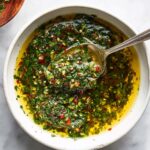
This Homemade Chimichurri Sauce is a vibrant, fresh, and tangy Argentinean condiment that elevates grilled meats, vegetables, and sandwiches. Made from finely chopped parsley, garlic, vinegar, and olive oil, with optional hints of cilantro, shallot, oregano, and lemon juice, this versatile sauce is easy to prepare and packed with bright, herbaceous flavors.
- Prep Time: 10 minutes
- Cook Time: 0 minutes
- Total Time: 10 minutes
- Yield: About 1 cup
- Category: Sauce
- Method: No-Cook
- Cuisine: Argentinean
- Diet: Gluten Free, Halal, Low Fat, Low Salt, Vegetarian
Ingredients
Main Ingredients
- 1 cup fresh flat-leaf parsley, finely chopped
- ¼ cup fresh cilantro, finely chopped (optional, for extra depth)
- 4–5 garlic cloves, finely minced
- 1 small shallot, minced (optional but recommended)
- 1–2 tsp red pepper flakes (adjust to taste)
- ½ tsp salt (more to taste)
- ½ tsp freshly ground black pepper
- ⅓ cup red wine vinegar
- ½ cup good-quality olive oil
Optional Additions
- 1 tbsp fresh oregano, finely chopped (or 1 tsp dried oregano)
- 1 tbsp lemon juice (for brightness)
Instructions
- Prepare the herbs and aromatics: Finely chop the flat-leaf parsley and, if using, the cilantro and fresh oregano. Mince the garlic cloves and shallot finely to ensure they release their flavors into the sauce without large chunks.
- Combine dry ingredients: In a medium bowl, mix the chopped parsley, cilantro (if using), oregano, minced garlic, minced shallot, red pepper flakes, salt, and freshly ground black pepper. This mixture forms the flavor base of your chimichurri sauce.
- Add the vinegar and lemon juice: Pour in the red wine vinegar and, if desired, the lemon juice. These acids brighten the sauce and balance the oil’s richness, giving chimichurri its distinctive tangy kick.
- Incorporate olive oil: Slowly whisk in the olive oil until the mixture is well combined and emulsified. The olive oil adds body and smoothness to the sauce, binding all components together.
- Adjust and rest: Taste the chimichurri and adjust salt, pepper, or red pepper flakes according to your preference. Let the sauce rest for at least 15-20 minutes before serving, allowing the flavors to meld beautifully.
- Serve and store: Use chimichurri as a fresh accompaniment to grilled meats, vegetables, or bread. Store any leftovers in an airtight container in the refrigerator for up to one week. Stir well before using again.
Notes
- For a smoother chimichurri, pulse the ingredients briefly in a food processor but avoid pureeing completely to retain texture.
- You can customize the heat level by adjusting the amount of red pepper flakes.
- Using fresh, high-quality olive oil and herbs significantly enhances the flavor.
- Chimichurri tastes best when allowed to rest so the flavors meld together, but it is also delicious freshly made.
- If cilantro is not preferred or available, simply omit it; the sauce remains classic and flavorful with parsley alone.